Saudi Arabia is making waves in the global aviation industry with the launch of Riyadh Air, a premium international airline that promises to redefine air travel in the Middle East. Riyadh Air will start flight operations in spring 2025 with a regional network, which shall expand immediately to all global regions, marking a significant milestone in the Kingdom’s ambitious Vision 2030 diversification strategy.
- What is Riyadh Air?
- Riyadh Air’s Strategic Vision
- Riyadh Air Fleet Composition
- Route Network and Destinations
- Sustainability and Environmental Commitments
- Market Impact and Competition
- Technology and Innovation
- Timeline and Milestones
- Challenges and Opportunities
- Conclusion: The Future of Middle Eastern Aviation
What is Riyadh Air?
Launched in March 2023, Riyadh Air will be a digitally led, full-service airline that adopts the best global sustainability and safety practices across its advanced fleet of aircraft. The airline is a subsidiary of Saudi Arabia’s Public Investment Fund (PIF) and represents the Kingdom’s bold entry into the competitive international aviation market.
Key Facts About Riyadh Air
- Launch Date: Spring 2025
- Base: King Khalid International Airport, Riyadh
- Target Destinations: Over 100 destinations worldwide by 2030
- Fleet Size Goal: More than 200 aircraft
- Ownership: Saudi Public Investment Fund subsidiary
Riyadh Air’s Strategic Vision
Alignment with Saudi Vision 2030
Riyadh Air is a cornerstone of Saudi Arabia’s Vision 2030 initiative, which aims to diversify the Kingdom’s economy away from oil dependence. Saudi Arabia’s wealth fund has named former Etihad Aviation Group boss Tony Douglas chief executive officer of a new national airline, as the country looks to boost tourism and diversify the economy from oil.
Digital Innovation Focus
The airline is positioning itself as a technology-forward carrier, emphasizing digital innovation and premium passenger experiences. This approach aligns with modern travelers’ expectations for seamless, app-based travel experiences and personalized services.
Riyadh Air Fleet Composition
Airbus A350-1000s Orders
Riyadh Air has secured a firm order for 50 Airbus A350 marking one of the largest aircraft purchases in recent years. These widebody jets, set to begin delivery in 2025, will form the backbone of the airline’s long-haul fleet.
Airbus A321neo Family Aircraft
Riyadh Air (RX) has also announced a major order for 60 narrowbody Airbus A321neo family aircraft which includes A321neo, A321LR, and A321XLRs today on October 30, 2024. This order complements the A350 fleet and provides flexibility for medium-haul routes.
Boeing 787 Dreamliner
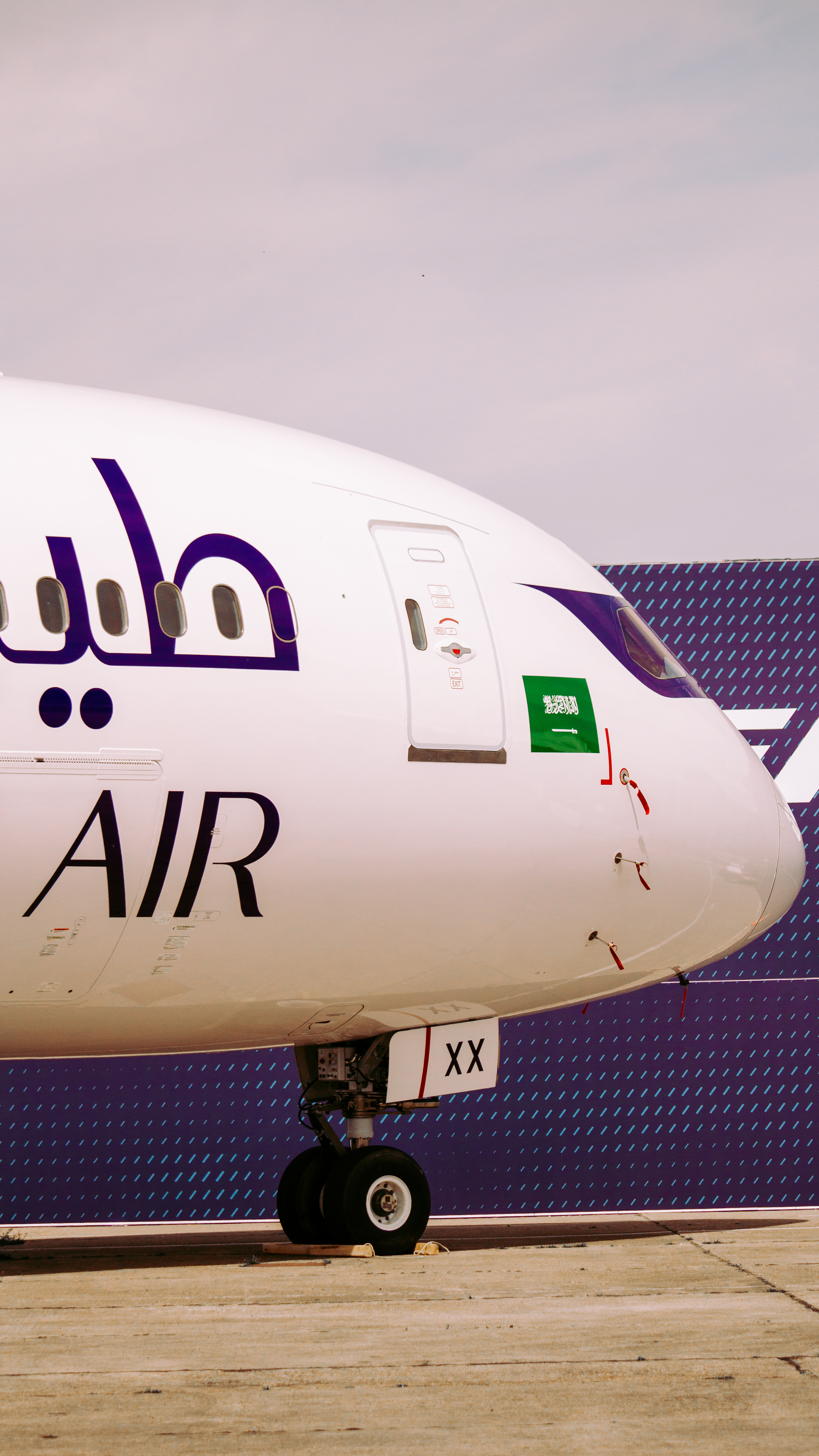
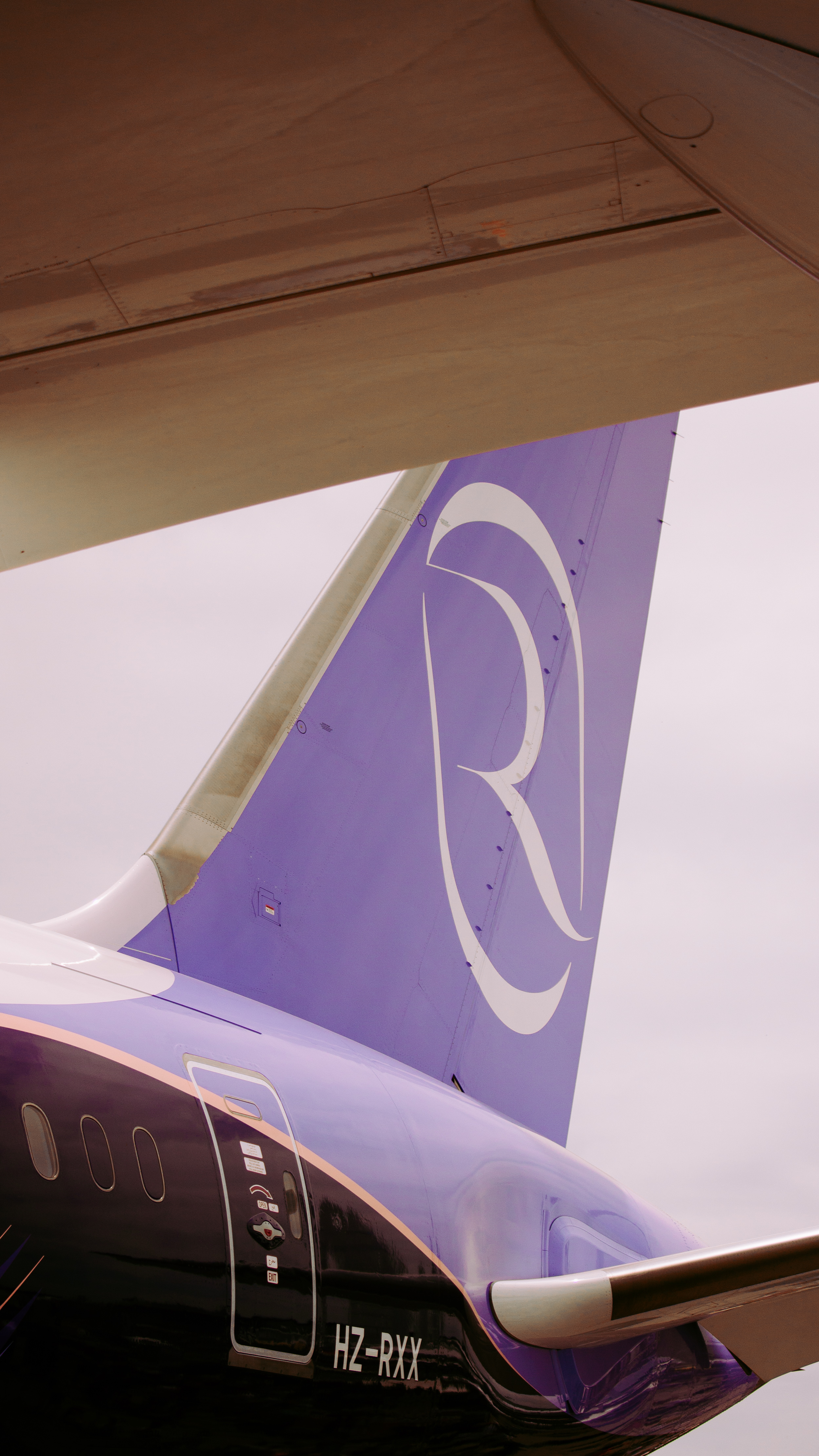
And finally, Boeing will also be part of Riyadh Air’s fleet with 39 planes order and an other option on 33 others.
The deal marks the end of an intense period of speculation regarding the future shape and size of the Riyadh Air fleet. It means that the airline will ultimately fly a mix of Airbus and Boeing planes across its network. This dual-manufacturer approach provides operational flexibility and helps mitigate supply chain risks.
Route Network and Destinations
Riyadh Air’s chief executive said that there would be few surprises in the airline’s route network, suggesting a focus on established, high-demand routes for the initial launch phase.
Geographic Focus
The airline’s strategic location in Riyadh positions it as a natural hub for connecting three major continents. Key target regions include:
- Asia-Pacific: Major business and leisure destinations
- Europe: Key European capitals and business centers
- Africa: Emerging markets and established destinations
- Americas: Transcontinental connections for long-haul travel
Competitive Positioning
Riyadh Air will compete directly with established Middle Eastern carriers like Emirates, Qatar Airways, and Etihad Airways. The airline’s strategy focuses on leveraging Saudi Arabia’s growing tourism sector and business travel demand.
Sustainability and Environmental Commitments
Due to launch in 2025, Riyadh Air aims to serve 100 destinations from Riyadh by 2030 and has ordered 72 Dreamliner aircraft from Boeing. The choice of fuel-efficient aircraft like the 787 Dreamliner demonstrates the airline’s commitment to environmental sustainability.
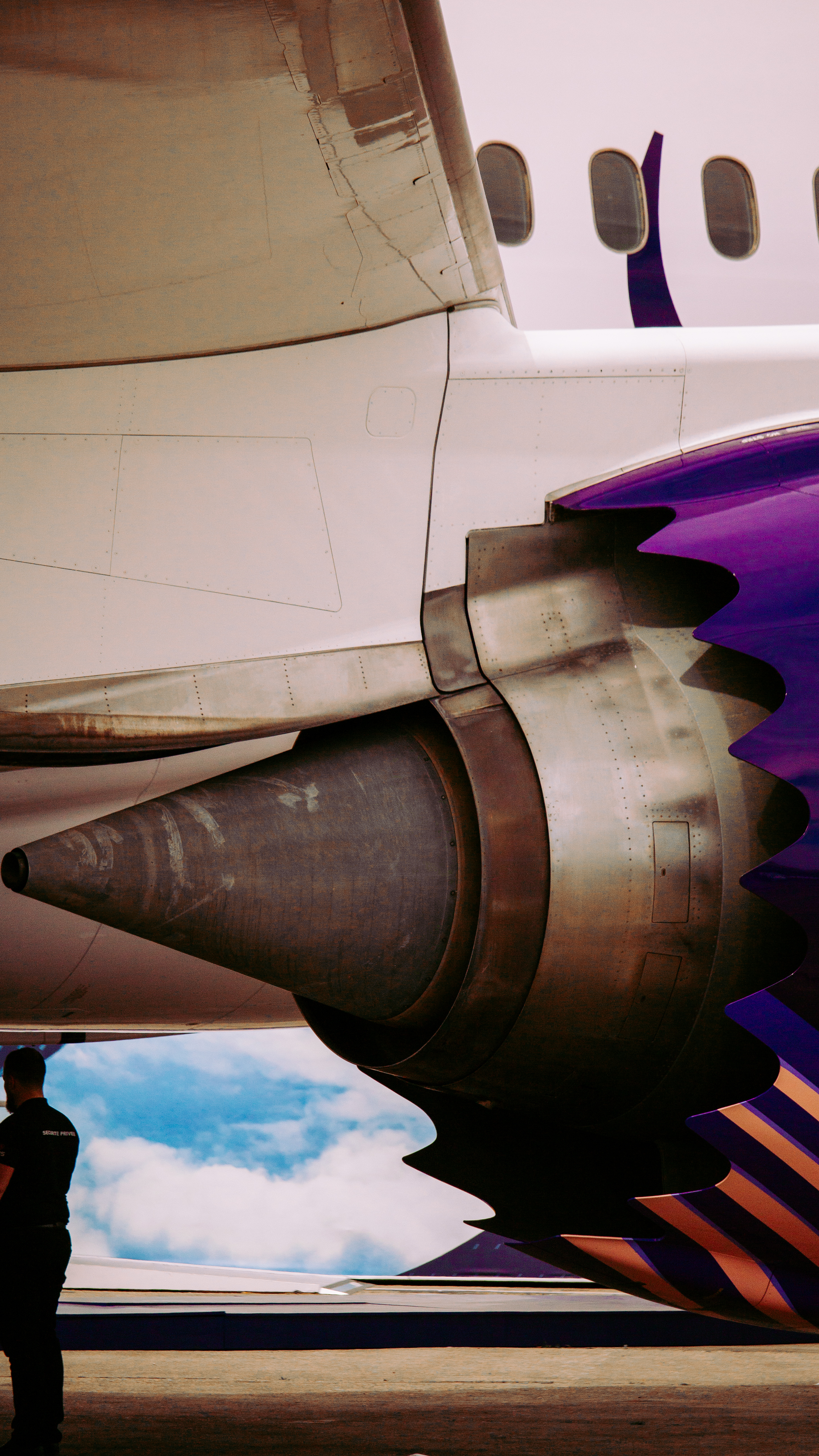
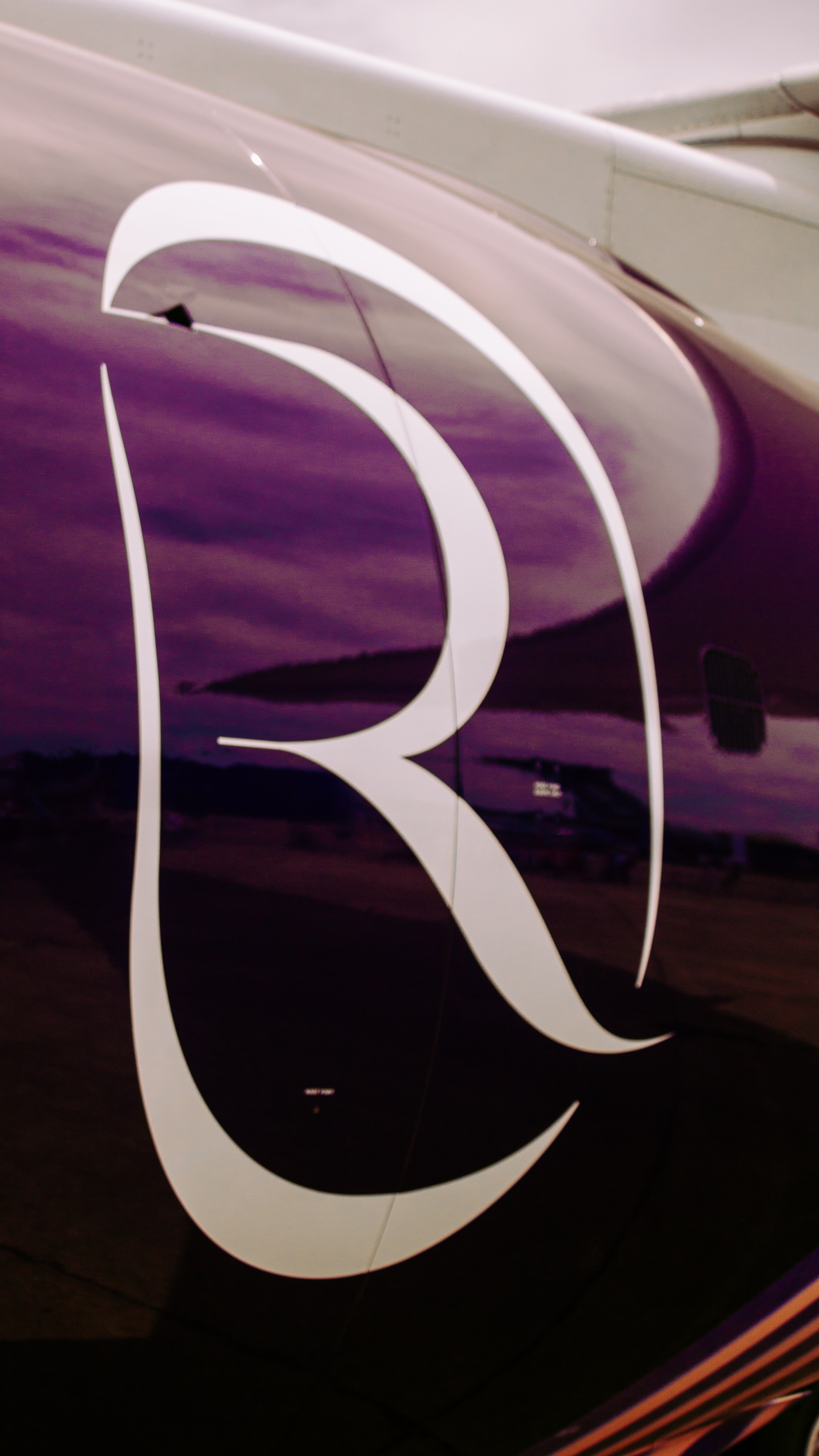
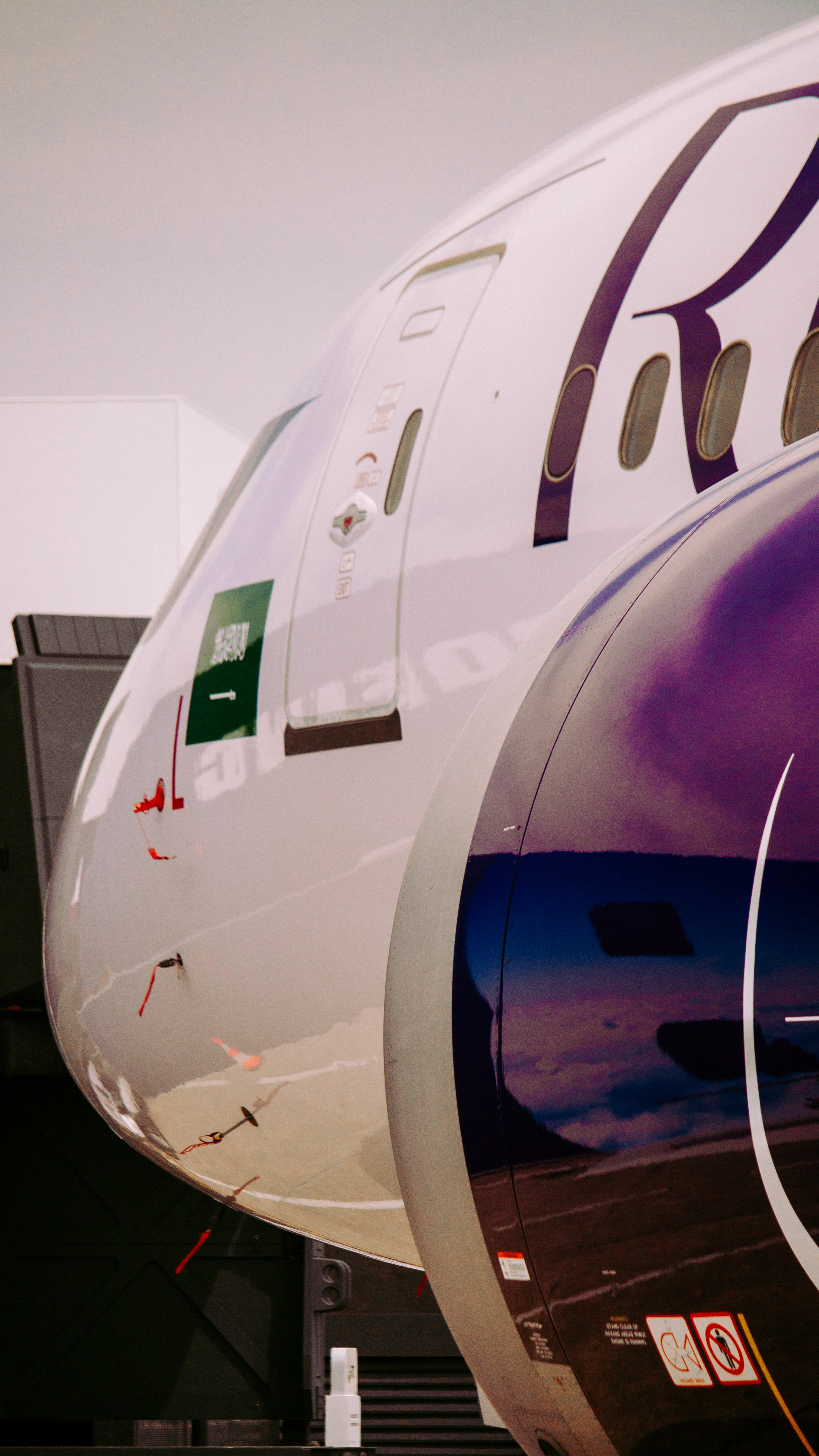
The airline has committed to adopting best-in-class sustainability practices, including:
- Modern, fuel-efficient aircraft
- Sustainable aviation fuel initiatives
- Carbon offset programs
- Waste reduction strategies
Market Impact and Competition
Challenging Established Players
Riyadh Air’s entry into the market will intensify competition among Middle Eastern carriers. The airline’s backing by Saudi Arabia’s sovereign wealth fund provides significant financial resources for aggressive expansion and competitive pricing.
Tourism and Economic Impact
The airline is expected to boost Saudi Arabia’s tourism sector significantly, supporting the Kingdom’s goal of attracting 100 million visitors annually by 2030. This aligns with mega-projects like NEOM and the Red Sea Project.
Technology and Innovation
Digital-First Approach
The airline is positioning itself as a technology leader, with plans for advanced digital services including:
- Comprehensive mobile app experiences
- Biometric boarding systems
- Personalized travel services
- AI-powered customer service
Passenger Experience
Riyadh Air aims to deliver premium passenger experiences across all service classes, with a focus on Arabian hospitality combined with modern amenities and technology.
Timeline and Milestones
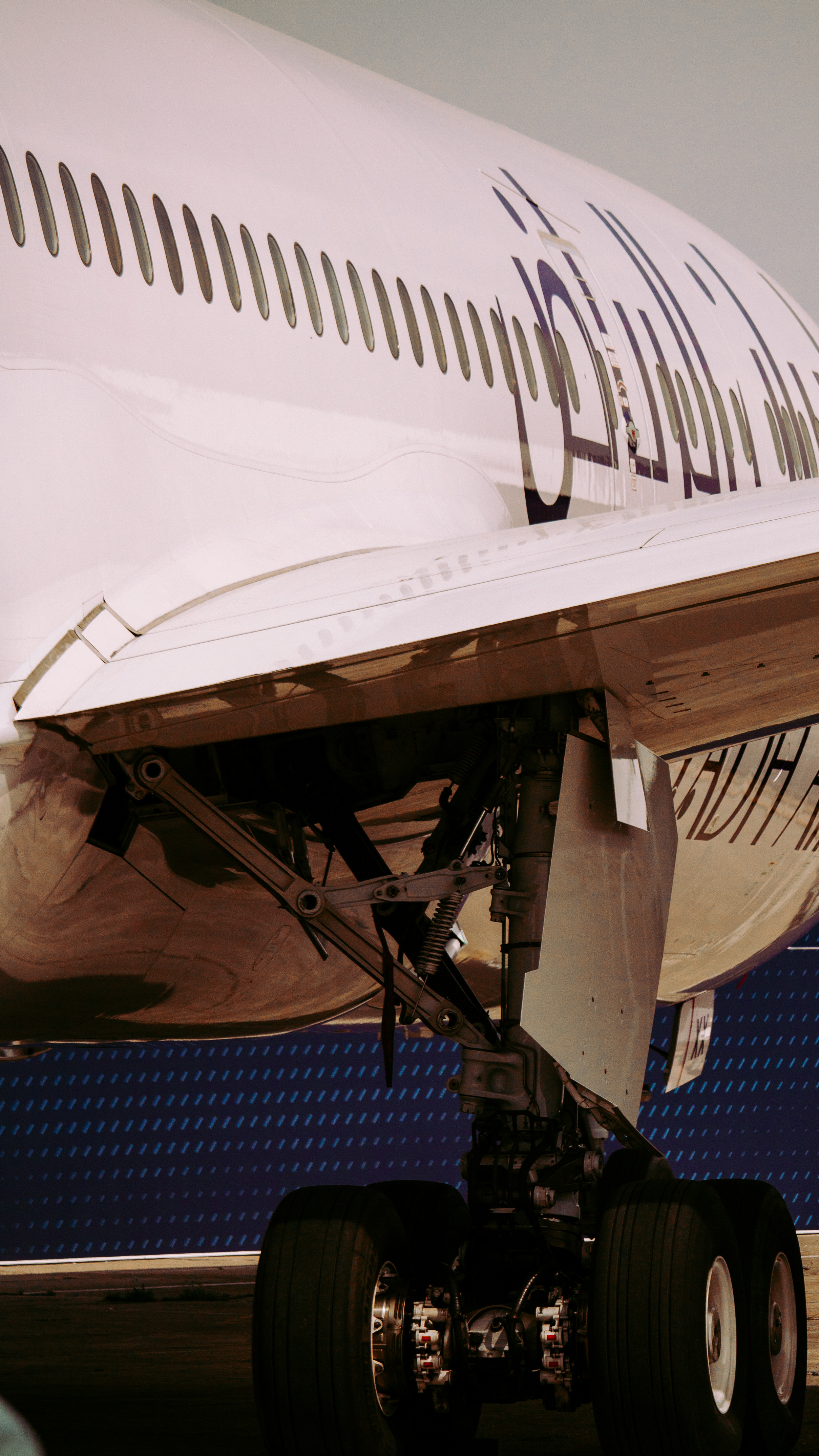
The airline is also on target to launch flights in the summer of next year, to fly to 100 countries by 2030. Douglas recently told the media that the airline had welcomed its first batch of pilots and was expected to start certification flights in September.
Key Milestones
- 2023: Airline announced and CEO appointed
- 2024: Major aircraft orders finalized
- 2025: Operations launch (Spring/Summer)
- 2030: 100+ destinations target
Challenges and Opportunities
Industry Challenges
- Intense competition from established carriers
- Pilot and crew recruitment in a tight labor market
- Supply chain delays in aircraft delivery
- Regulatory approvals and safety certifications
Market Opportunities
- Growing Middle Eastern travel demand
- Saudi Arabia’s Vision 2030 tourism goals
- Untapped point-to-point routes
- Premium service gap in certain markets
Conclusion: The Future of Middle Eastern Aviation
Riyadh Air represents a significant development in Middle Eastern aviation, with the potential to reshape regional and international air travel patterns. Saudi Arabia’s newest airline, Riyadh Air, is set to make its debut by the end of 2025. The airline aims to transform air travel with a focus on digital innovation, premium passenger experiences, and strategic global partnerships.
With its substantial aircraft orders, experienced leadership team, and strong financial backing, Riyadh Air is well-positioned to become a major player in the global aviation industry. The airline’s success will largely depend on its ability to execute its ambitious expansion plans while maintaining operational excellence and competitive pricing.
As the aviation industry continues to recover and grow, Riyadh Air’s entry promises to bring increased competition, innovation, and connectivity to the Middle Eastern market and beyond. Travelers can expect to see significant developments as the airline prepares for its 2025 launch and subsequent expansion to 100+ destinations by 2030.
 BENVOYAGE