Nestled in the heart of the North Atlantic Ocean, the Faroe Islands are a breathtaking archipelago of raw beauty. This remote cluster of 18 volcanic islands offers a perfect escape for those who crave adventure, tranquility, and natural wonders. From dramatic cliffs plunging into the sea to quiet villages painted with colorful houses, every corner of the Faroe Islands feels like a scene from a storybook.
Covering an area of about 1,400 square kilometers, the islands are home to a population of just over 50,000 people, primarily spread across small, colorful villages, coastal towns, and the capital city, Tórshavn, one of the world’s smallest capitals. It is part of the Kingdom of Denmark but have been self-governing since 1948.
Road trip in the Faroe Islands
Vagar Island
Vagar is home to some of the most scenics places of the Faroe Islands. It is also the island on which the only airport of the archipelago is located.
If you had to pick one spot from this island, it would be the Trælanípa lake. This lake is famous for its breathtaking views above the lake and the ocean. According to the legend, this is where the prisoners or slaves were thrown into the sea as a death sentence centuries ago.
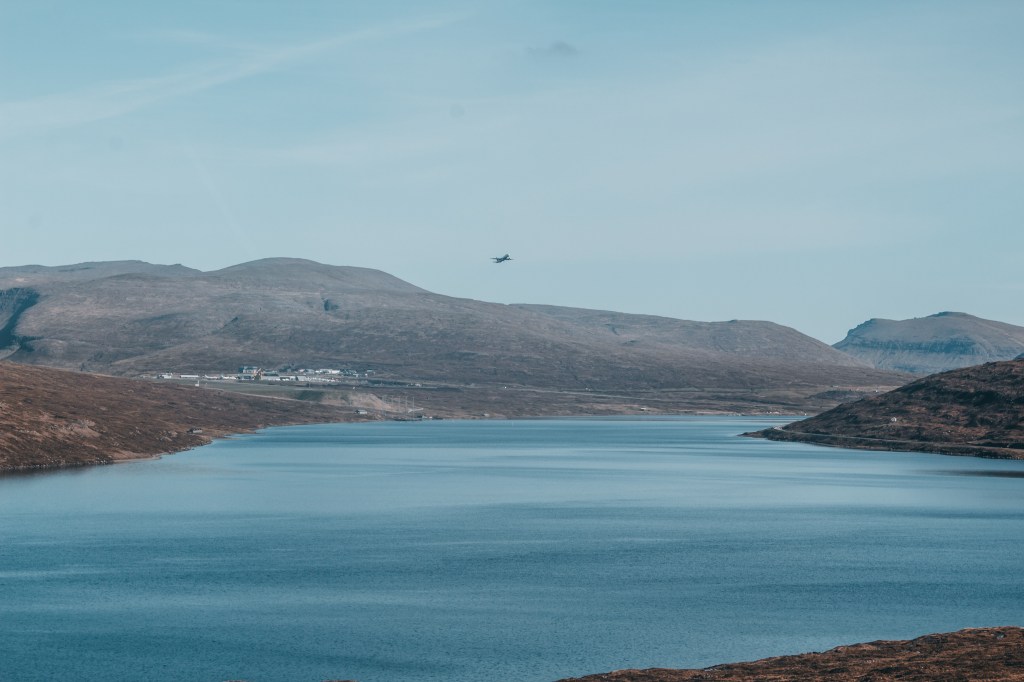
The walk itself can be easily done under an hour one way and the path is not very difficult as it is mainly flat. Be careful on a rainy day or on wet soil as it can get slippery, especially around the waterfall as it is rocks. The trail starts after the town of Miðvágur, exiting the road Number 11 on the left (when going to Sørvágur), and it is well indicated with signs. You will have a parking to leave your car before getting your ticket at the small office and coffee. You can choose to hike on your own or book a tour with a guide. The cost is 200 DKK for an adults and free for children under 14. If you wish a guide, the fee is 450 DKK per adults.
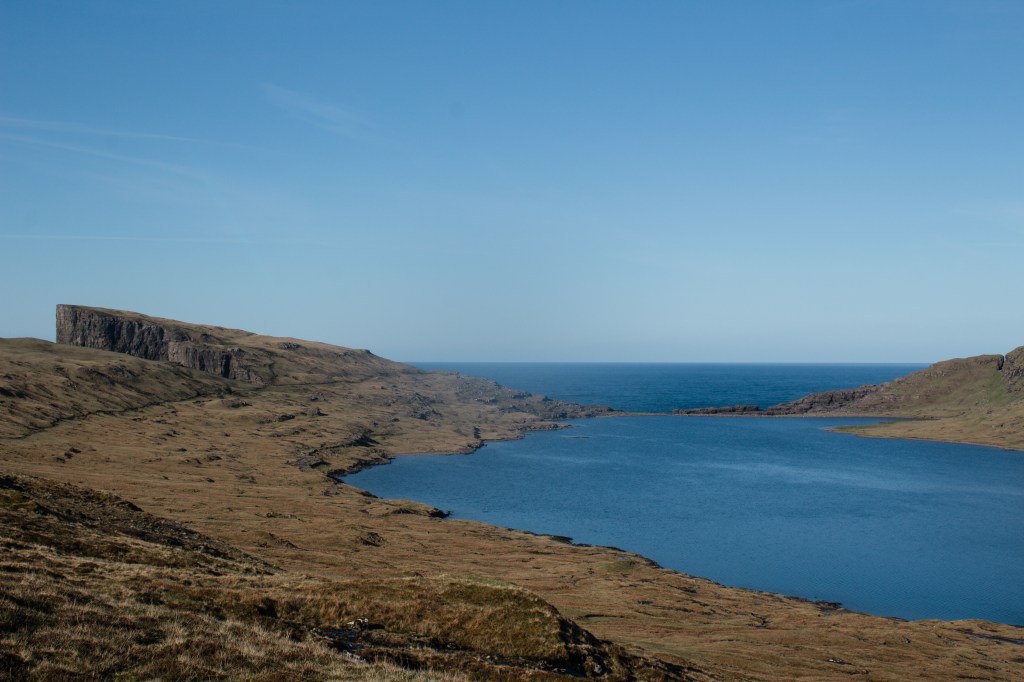
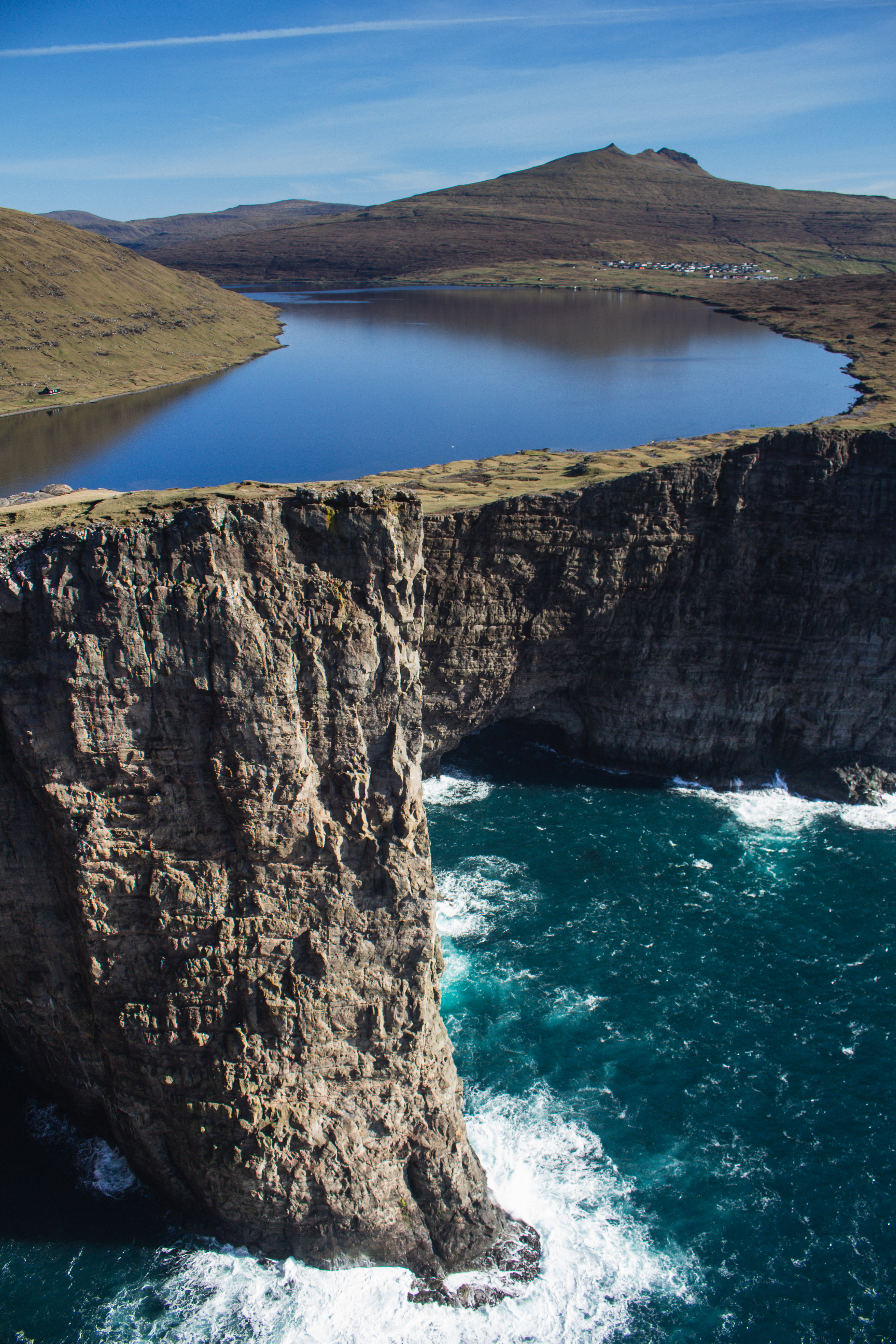
At the end of the trail, you arrive on a cliff near the Atlantic Ocean. From there, if you turn back, you will have a breathtaking view over the lake, and, it gives the illusion that the lake is hovering above the water. You can also continue the walk a bit further to Bøsdalafossur waterfall a bit down the cliff, which is also worth the walk.
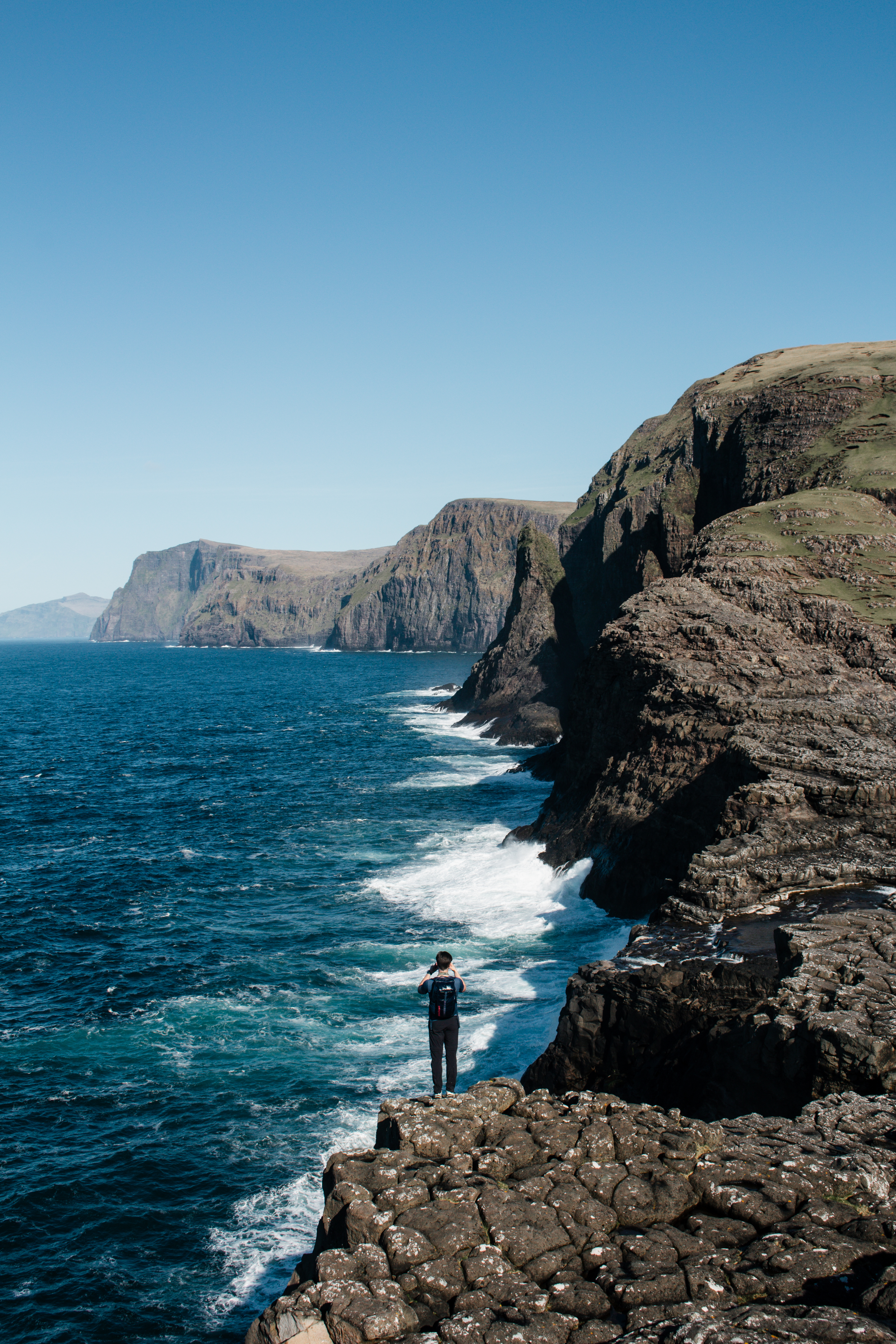
But of course, you’re not going to stop after visiting only one place on this island. So head to the town Sorvagur. From here, you can start the walk to Drangarnir. For this walk, it is mandatory to be with a guide as you cross several wide private lands and you can’t walk anywhere. As of May 2024, the fee for this hike was 80€ per person. The walk itself is not very hard and is about 3 hours long, depending on the speed of the others members of the group. You will cross severals lands and beaches before some climbing and finally descending onto Drangarnir.
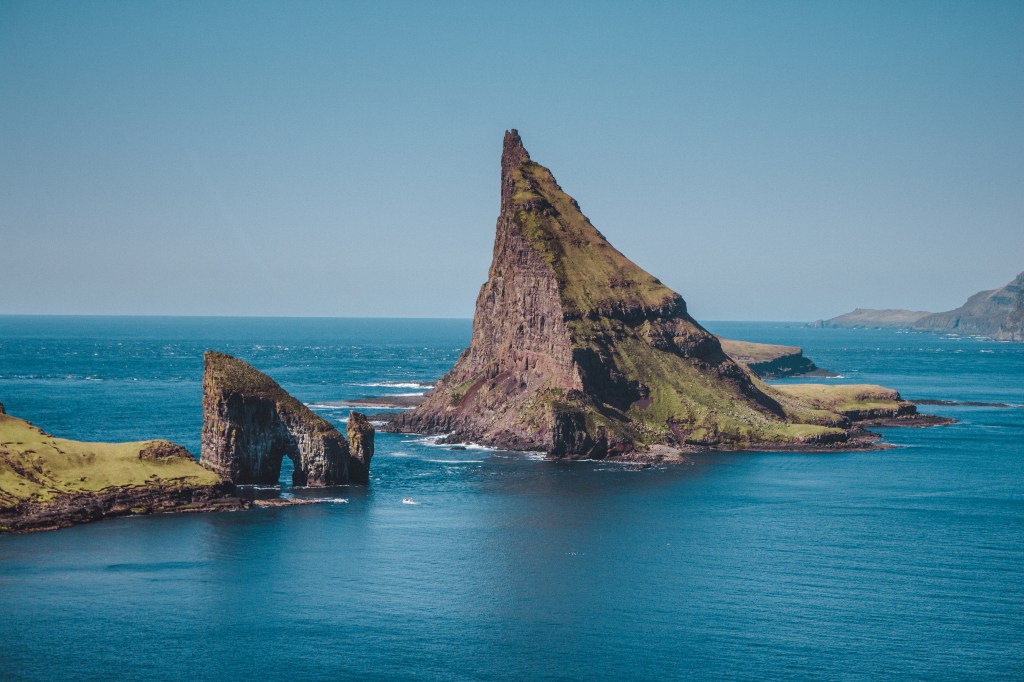
Once you get there, the guide usually gives you some free time for a while to wander arround. From there, you can walk a bit more uphill to have a better panoramic view, or you can go down to the crystal clear sea and rocky beach, or go in front of the Drangarnir arch and stare at its beauty. I recommend doing all of it! The distance is not that big and every view is worth it!
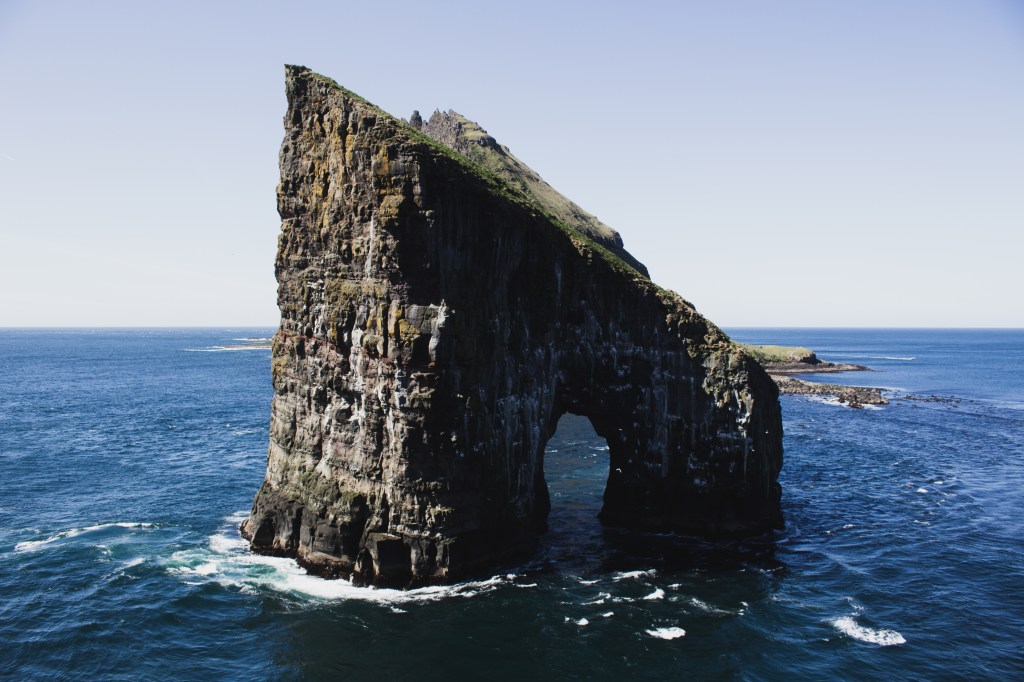
After a while, it is time to go back to Sorvagur. During my trip, the guide asked the whole group if we prefered to go back walking, or if we would rather take a boat to go home. Everyone wanted the boat option. This option came with no additional costs but it is not guaranteed to be proposed everyday, as the boat is private. So it is depending on the boat availability and the weather.
To finish the day in Vagar, keep driving in the same direction till you reach the village of Gasadalur. It offers breathtaking panoramic views, including a spectacular sight of the neighboring isle, Mykines.
For many years, Gásadalur was the only village on the Faroe Islands without a road connecting it to the outside world. Access was limited to a steep mountain path but in 2004, a tunnel was build, ending the village’s isolation.
A key attraction is Múlafossur Waterfall. Cascading directly off the cliffs, it creates one of the Faroe Islands’ most iconic views.
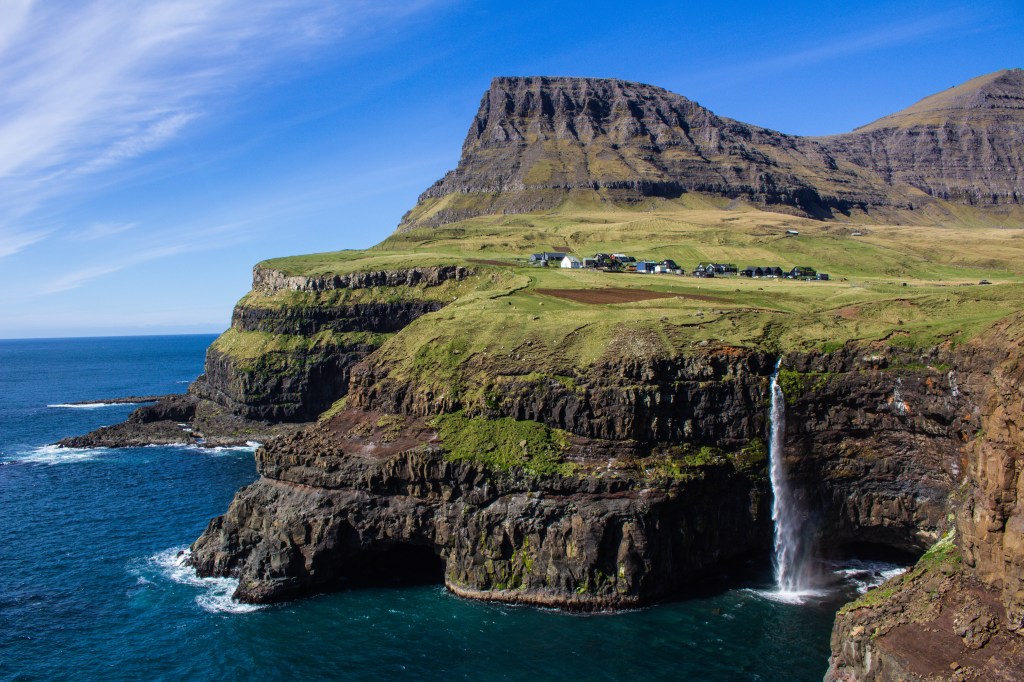
Above the village looms Árnafjall, the tallest mountain on Vágar Island, offering a dramatic backdrop to Gásadalur’s serene setting.
Mykines Island
Mykines Island is a must-visit destination for nature lovers and bird enthusiasts, particularly known for its puffin colonies. To get there, you can take a ferry from Sørvágur, although departures are weather-dependent. Alternatively, a helicopter ride is an option for one-way travel, but it is also subject to weather conditions.
The main attraction on Mykines is puffin watching. The puffin season typically starts in June, with sightings possible from May. A guided tour is highly recommended to spot these charming birds and learn about the island’s history. Be sure to book your tour in advance, as it costs 100 DKK per person and it is mandatory to visit the island: you cannot roam this island without paying that fee unless you just stay in the village.
During your visit, you’ll come across a monument commemorating the island’s puffin hunters and their perilous expeditions. Puffins spend most of the year at sea, returning to land only to breed. They mate for life and build their nests in burrows. The tour includes a viewpoint that offers an almost guaranteed sighting of puffins, but remember to stay on designated paths to avoid disturbing them.

For refreshments, there is a café available in the village. Note that the famous lighthouse of Mykines is currently inaccessible due to a landslide. Mykines offers a unique experience with its puffin colonies and stunning landscapes, making it a highlight of any trip to the Faroe Islands.
Suduroy Island
Suðuroy, the southernmost island of the Faroe Islands, is a destination worth exploring for its remote beauty and tranquil landscapes. Spending a full day on this island is ideal, though accommodations are available if you wish to stay longer. The easiest way to reach Suðuroy is by taking a ferry from Tórshavn, which takes a little over two hours. I recommend catching an early ferry, around 8 am, to make the most of your day.
Ferry tickets start at around €10 and can be booked on the Strandfaraskin Landsins (SSL) website. While you can choose to take the ferry with or without a car, having a car is highly recommended. Suðuroy is quite large and remote, with infrequent bus services, so a car will allow you to explore more efficiently.
Upon arrival at Tvøroyri, take the road north to Sandvík, the last village in this part of the island. From there, look for the small road leading to Ásmundarstakkur. The path can be muddy, so good walking shoes are essential. A short hike will take you to stunning cliffs with breathtaking views.
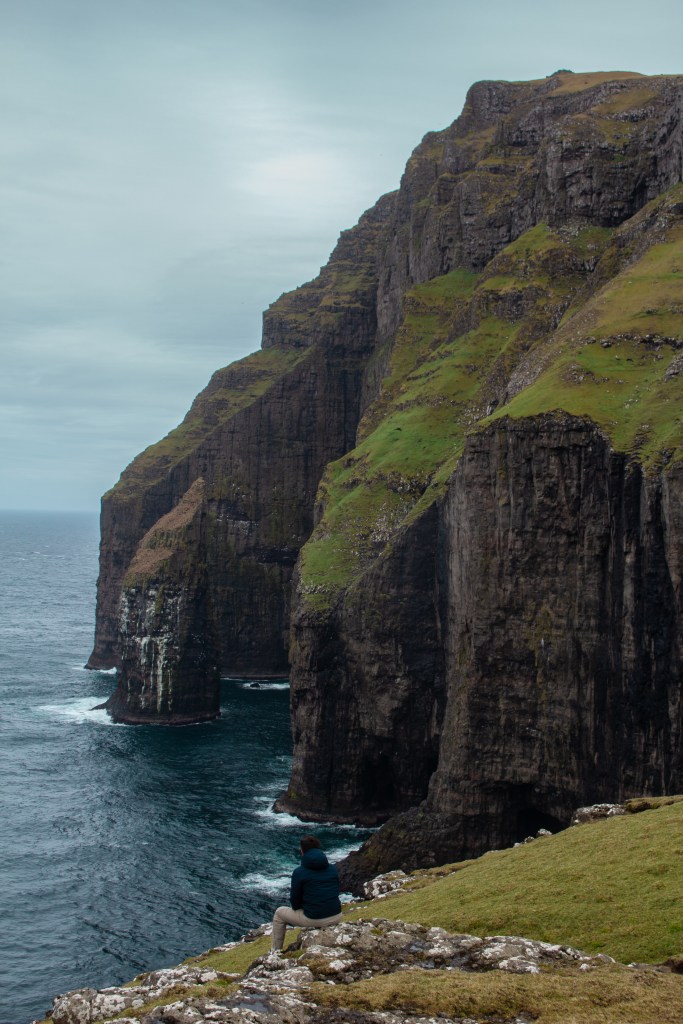
Further south, you can visit Akraberg Lighthouse, offering direct views of the Atlantic Ocean and surrounding cliffs.
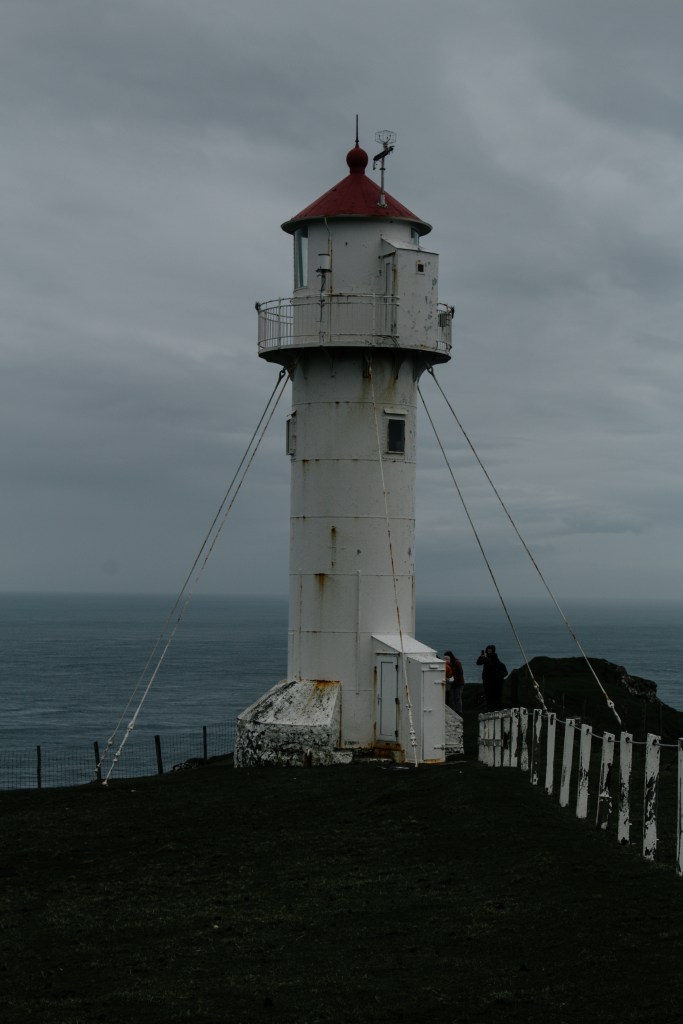
The final stop on Suðuroy is the village of Fámjin, known for its historic church. Inside, you can see the first flag ever created for the Faroe Islands, made in 1919. The village is peaceful, with a nearby lake offering scenic views. After exploring Fámjin, you can drive back to the ferry, concluding your journey on this beautiful island.
Streymoy Island
Streymoy, home to the capital of the Faroe Islands, Tórshavn, is a must-visit destination filled with cultural and natural wonders. With around 13,000 residents, Tórshavn is the largest town in the Faroes and offers a variety of hotels and restaurants. It’s also the arrival point for ferries from Denmark or Iceland.
Start your journey at Tinganes, the historic parliament area near the port. Here, you’ll find red wooden houses that create a cozy neighborhood atmosphere, despite being the seat of government. After exploring Tinganes, wander around the harbor to enjoy views of boats coming and going.
For a taste of local cuisine, visit The Tarv Grillhouse, located right on the harbor. Their salmon dishes are particularly delicious. To delve deeper into Faroese history, head to the Faroe Islands National Museum, Tjóðsavnið. This museum showcases the geological creation of the islands, fishing traditions, and wool and wood craftsmanship. It also features an outdoor section with old houses, offering a glimpse into traditional Faroese life.
Just a 15-minute drive from Tórshavn is the village of Kirkjubøur, home to the Magnus Cathedral ruins. These ruins are the largest medieval building in the Faroe Islands and offer a unique atmosphere, especially at sunset.
Heading north on Streymoy, you’ll reach the picturesque village of Saksun, known for its grass-roofed houses and a lagoon that fills with water during high tides. Be mindful of the locals, as they are not always welcoming to tourists. Respect their space by parking in designated areas and avoiding drone use.
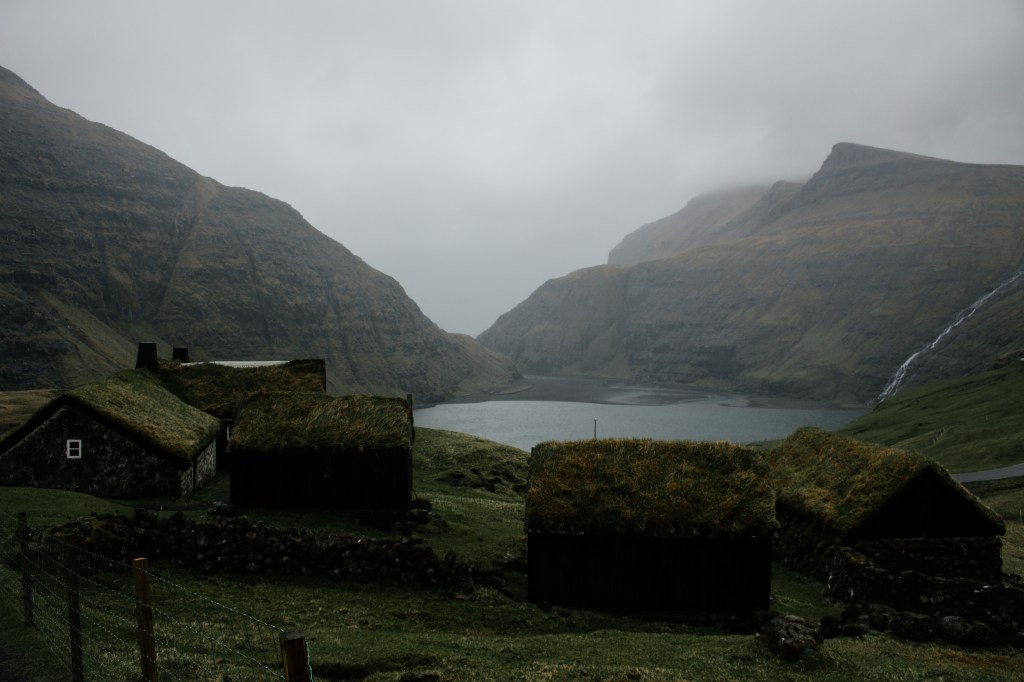
Continuing further north, you’ll find Tjørnuvík, a charming village famous for being the only surfing spot in the Faroe Islands. The scenic road leading to Tjørnuvík is breathtaking, and the village itself offers a genuine Faroese experience with grass-roofed houses and drying fish. Don’t miss the chance to try surfing in the Atlantic or simply enjoy a waffle at the local café.
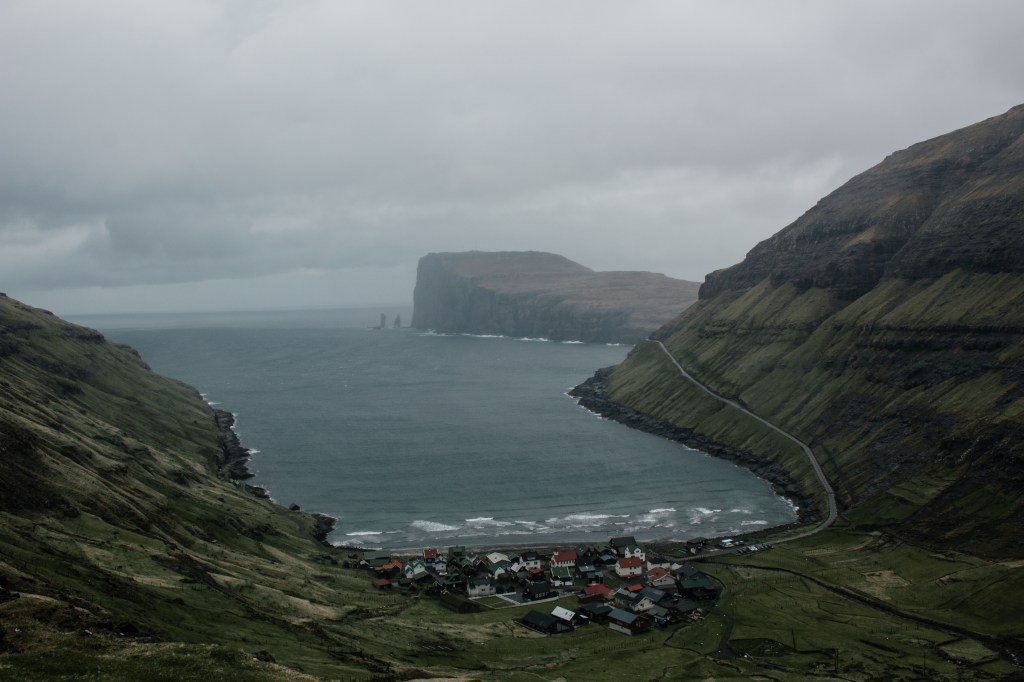
Finally, don’t forget to visit Fossá Waterfall, the largest waterfall in the Faroe Islands, located on the road to Tjørnuvík. For the best view, head to the west road on the neighboring island of Eysturoy.
Eysturoy Island
Eysturoy, one of the largest islands in the Faroe archipelago, is a treasure trove of natural beauty and cultural charm. The island offers a variety of scenic spots that are perfect for exploration and photography.
Begin your journey at the Eiði football field, famous for its stunning contrast between the green pitch and the surrounding sea and cliffs. This spot is a favorite on social media and is perfect for capturing memorable photos.

Next, head to Gjógv, a picturesque village known for its small canyon that opens to the sea. This canyon was once used to launch fishing boats but now serves as a scenic attraction where you can admire the crystal-clear waters. Explore both sides of the canyon for different perspectives; the right side offers a short, well-maintained path, while the left side is longer and more rugged but provides better views.
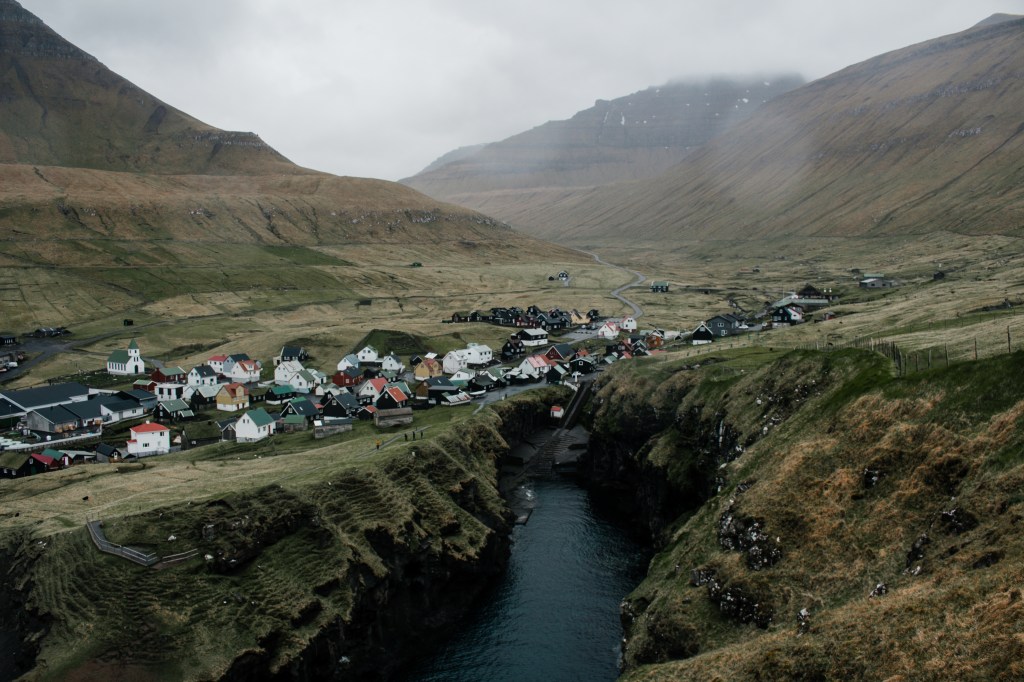
South of Gjógv, you’ll find Funningur, a village with scenic roads that offer breathtaking views of the surrounding islands and sea. Before reaching Funningur, stop by the Gongutúrur/Hvithamar Trailhead for a short, free hike to a wonderful viewpoint. Be cautious, as this area is highly exposed to strong winds.
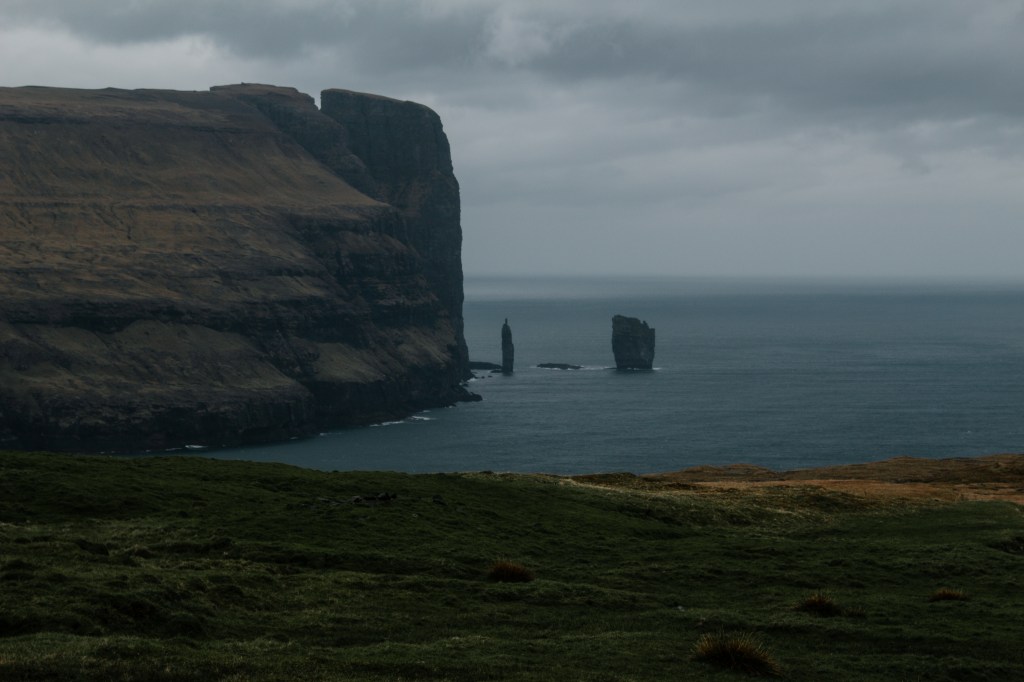
Don’t miss the Risin og Kellingin viewpoint on your way to Gjógv. This viewpoint offers a stunning view of the sea stack formations between the islands, providing a unique photo opportunity.
Borðoy Island
Borðoy Island is home to Klaksvík, the second-largest city in the Faroe Islands. This vibrant city offers a range of accommodations and dining options, making it an ideal base for exploring the northern part of the archipelago.
The first stop here will be the city Klaksvík. One of it standout features is the modern Christianskirkjan church, located in the city center. Consecrated in 1963, this church is one of the most notable modern buildings in the Faroe Islands, known for its striking architecture.
But the main attraction in here is the hike to the Klakkur mountain ridge. Starting from the city, take the uphill road and park your car along the way. The hike is approximately one hour each way and offers stunning views of Klaksvík and the surrounding islands, including Kalsoy and Kunoy. The trail leads to a ridge facing north, providing a panoramic vista of the archipelago, perfect for capturing memorable photos.
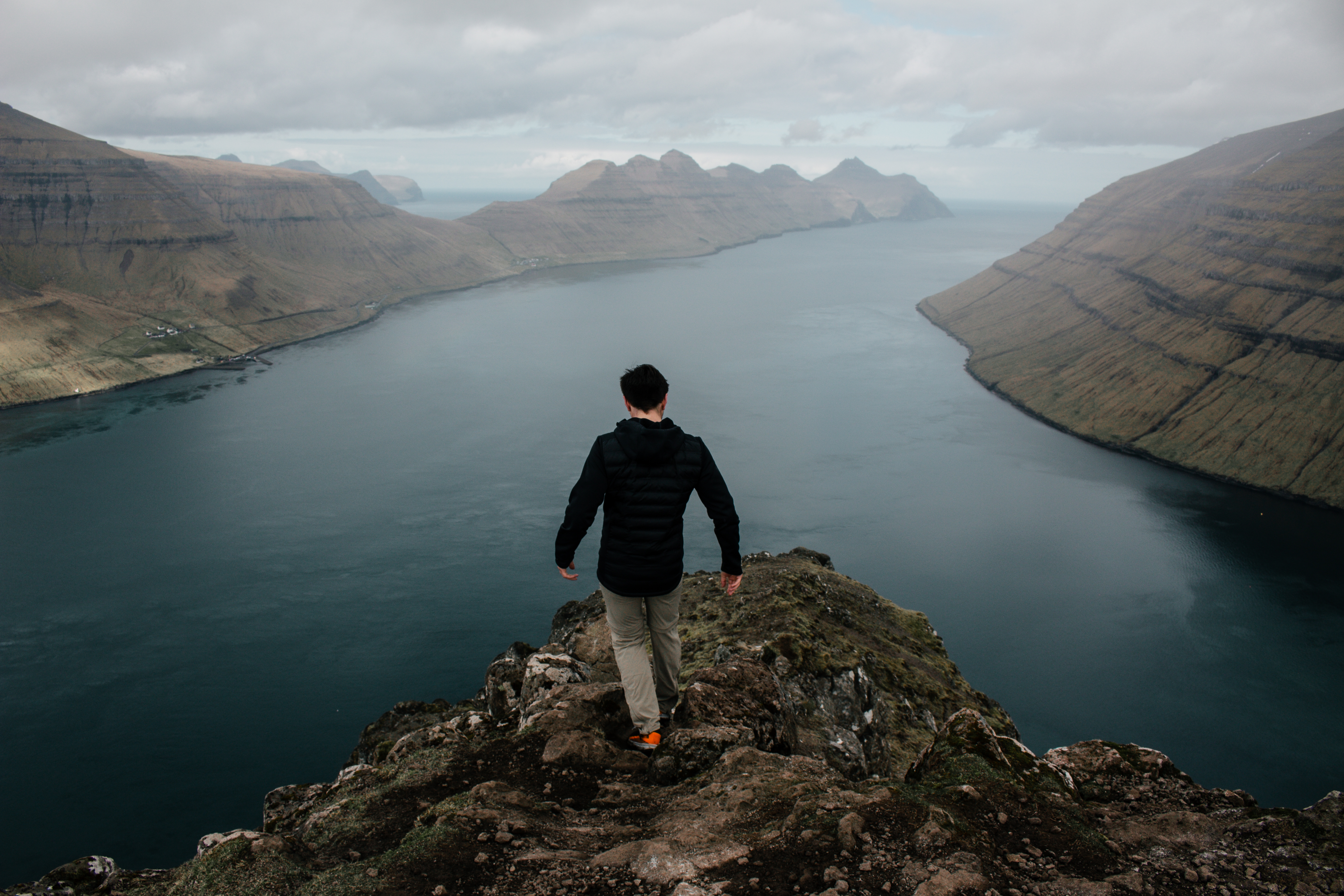
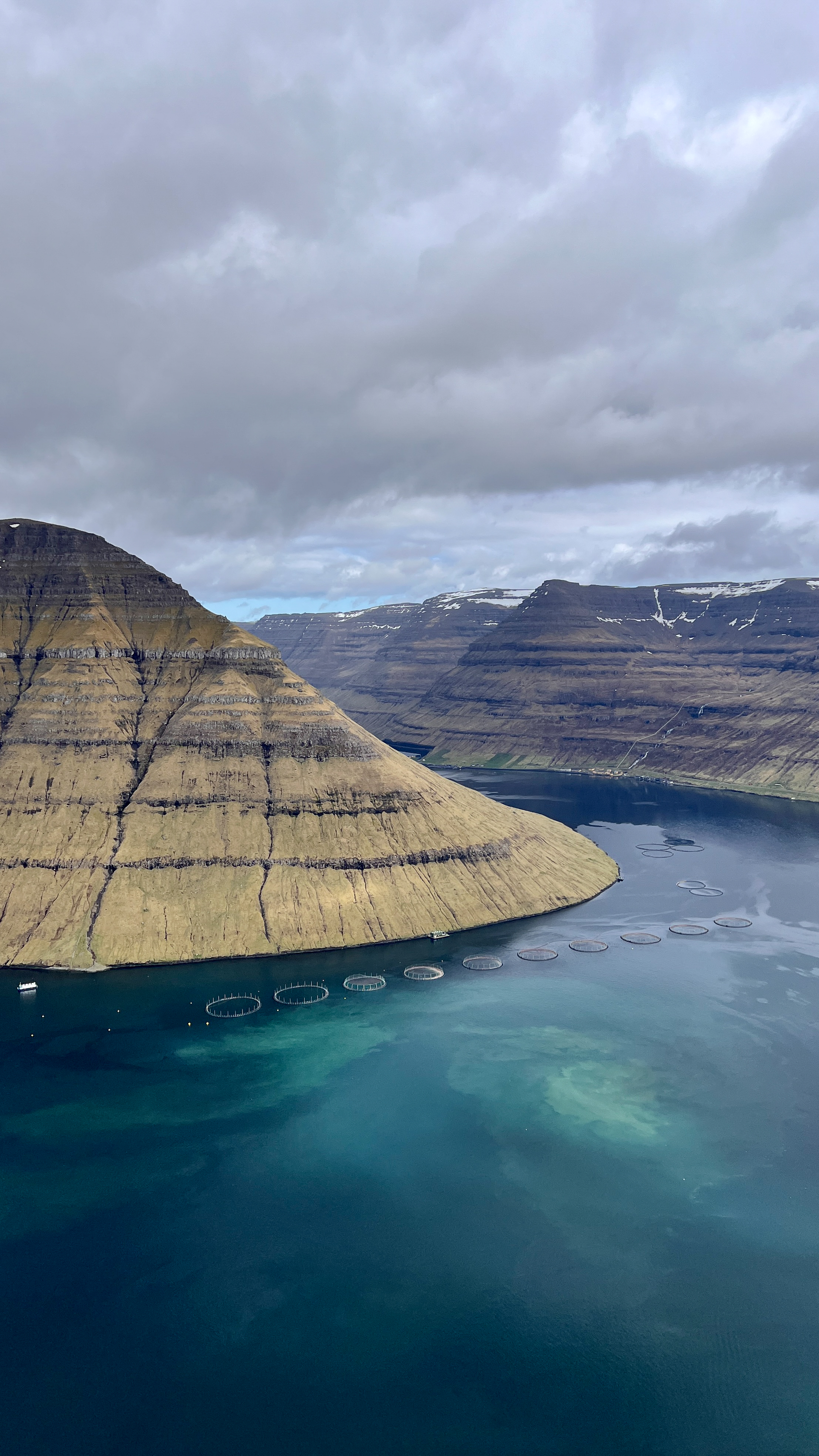
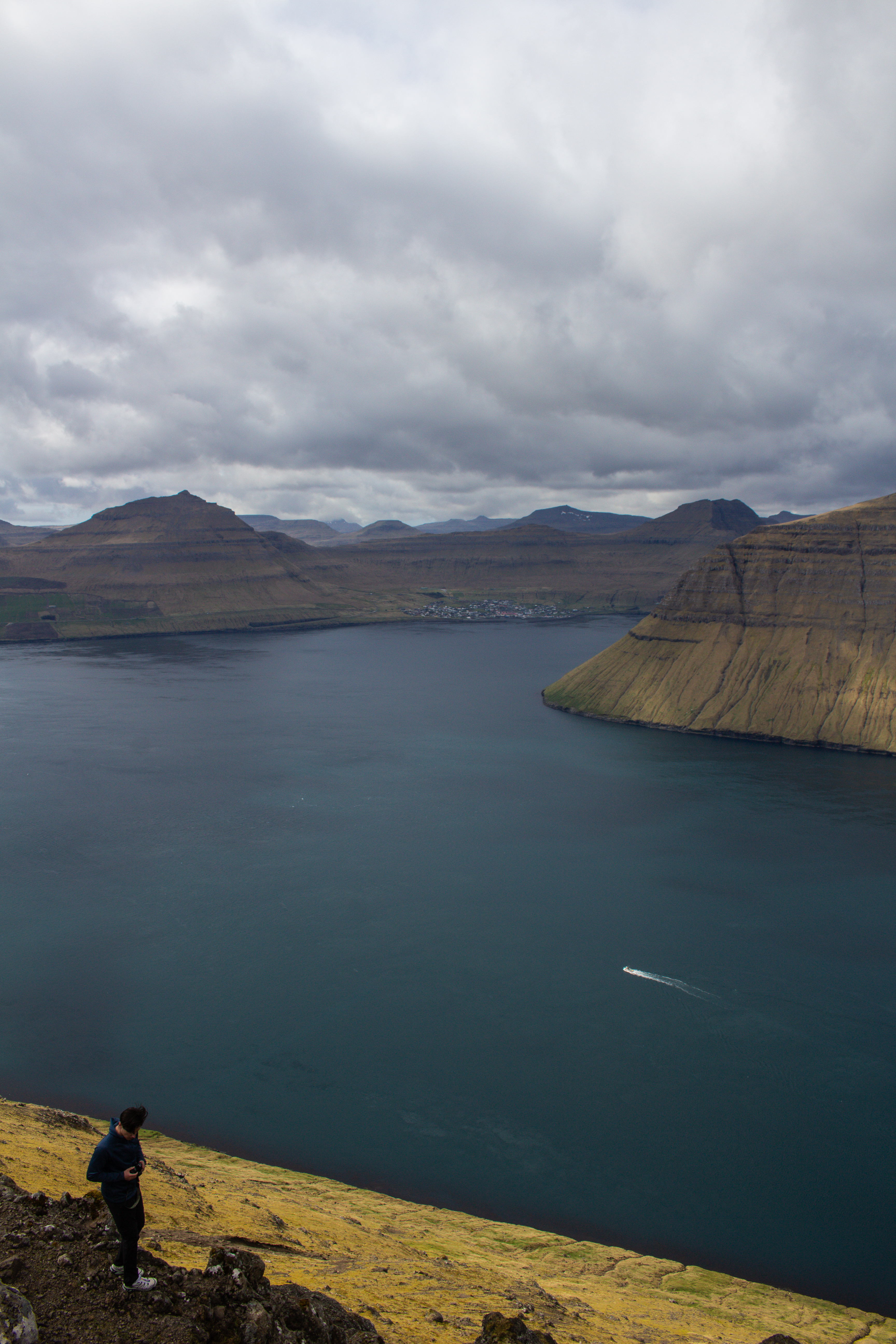
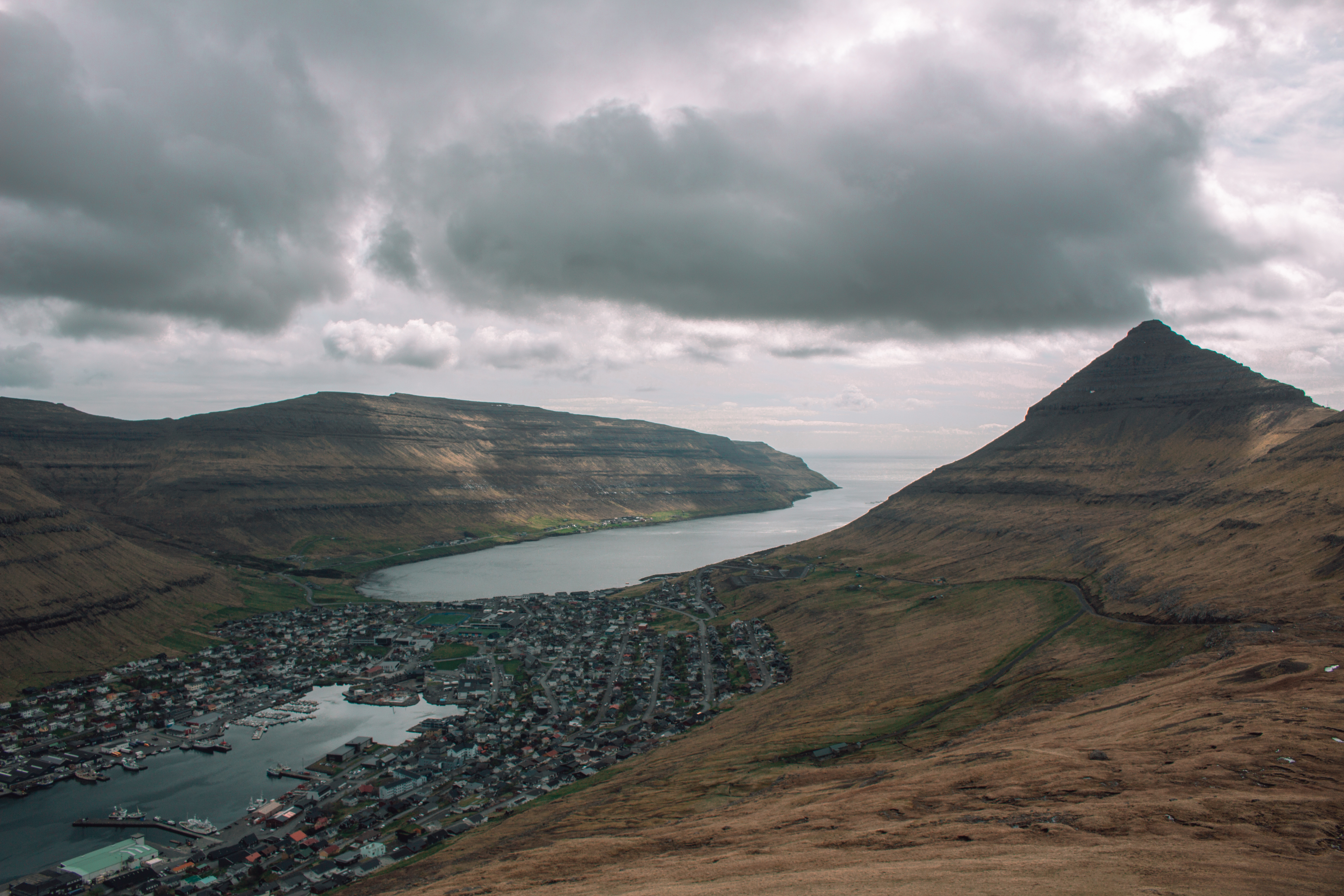
Borðoy serves as a gateway to some of the most remote and beautiful islands in the Faroes. From Klaksvík, you can take a ferry to Kalsoy, known for its dramatic landscapes and the iconic Kallur Lighthouse. The ferry ride is about 20 minutes and offers a scenic journey across the waters.
Kalsoy Island
Kalsoy Island is a hidden gem in the Faroe archipelago, accessible only by ferry from Klaksvík on Borðoy Island. Upon arrival, you’ll disembark in Syðradalur, the southernmost village on the island.
The main attraction on Kalsoy is the Kallur Lighthouse, located at the northern end of the island. To reach the lighthouse, you can either take your car on the ferry or use the limited bus service available on the island. The journey to the lighthouse is breathtaking, with rugged landscapes and panoramic views of the surrounding islands. The trail offers stunning vistas of the neighboring islands and the iconic Risin og Kellingin sea stacks. The lighthouse itself has gained fame as a filming location for a recent James Bond movie, adding a touch of excitement to your visit.
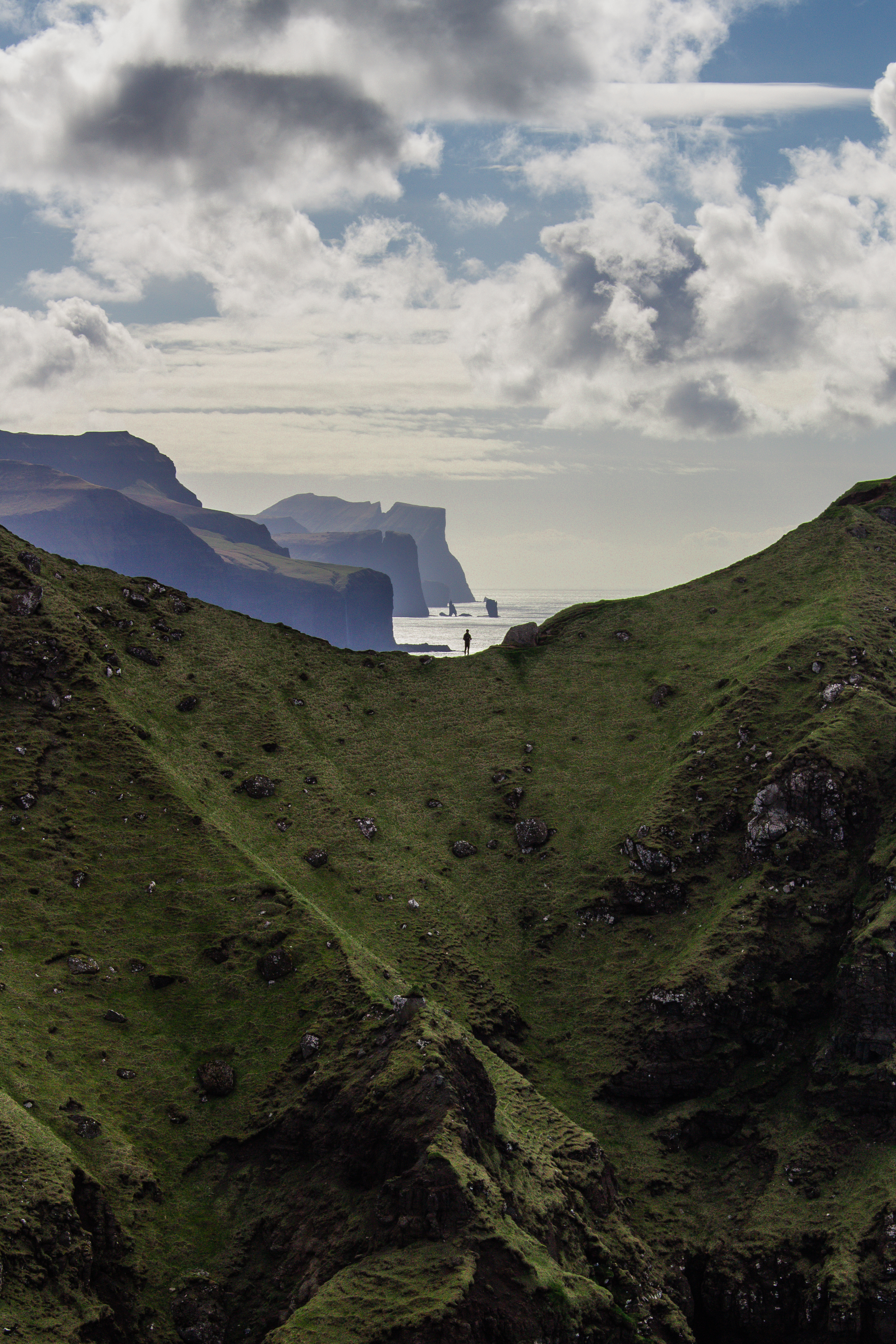
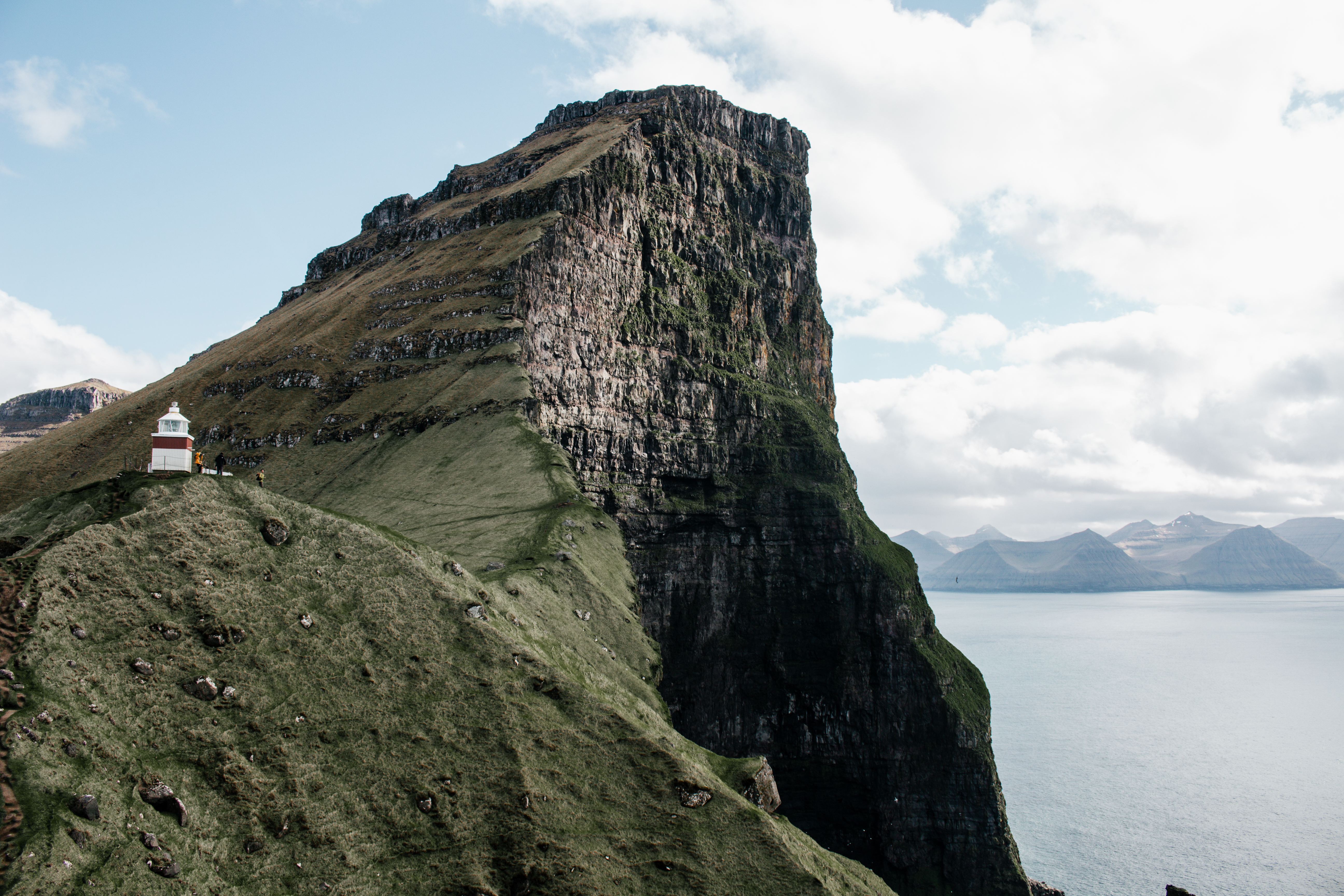
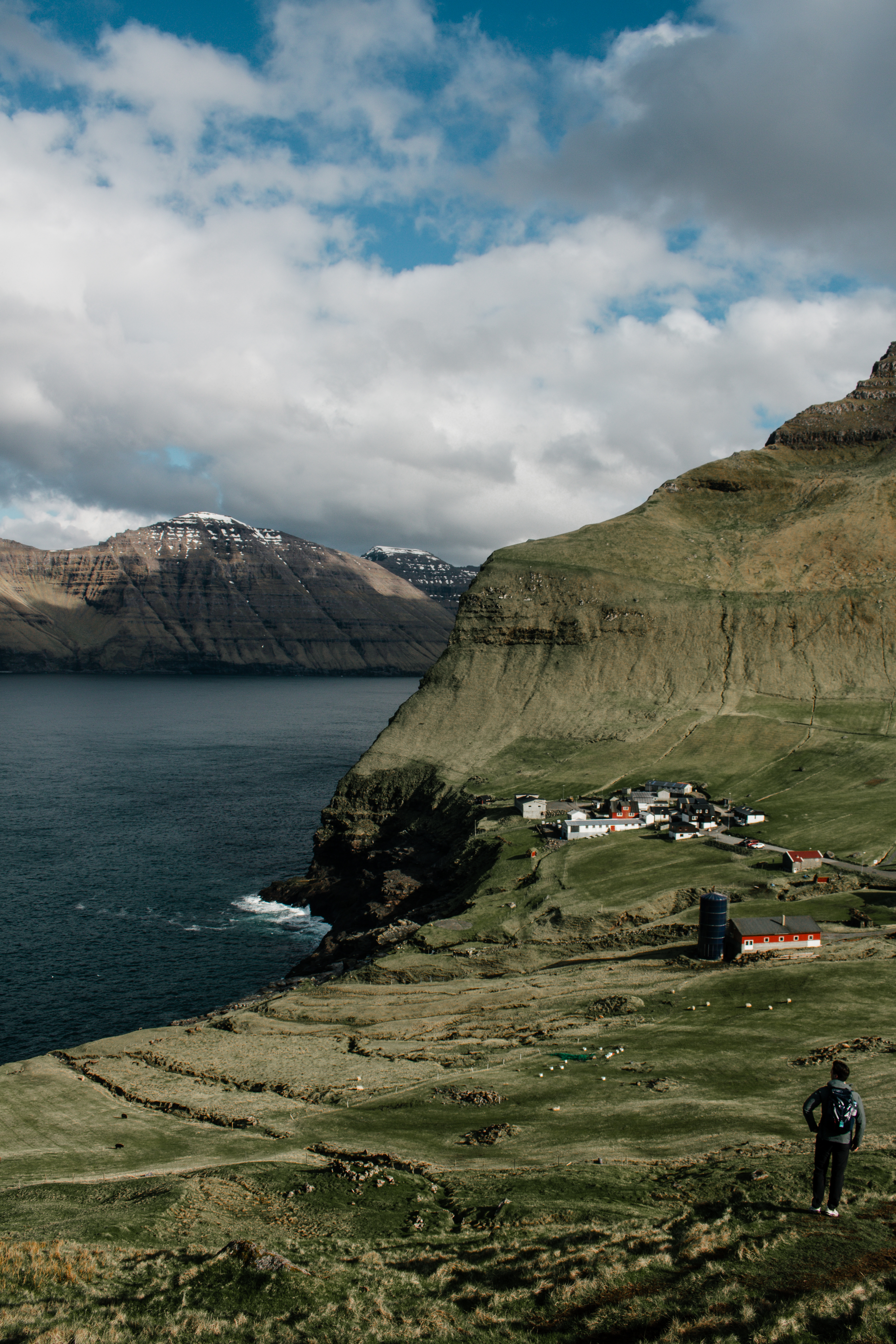
To make the most of your visit to Kalsoy, consider booking your ferry spot in advance if you plan to take your car, as spaces can fill up quickly. The fee to visit the Kallur Lighthouse is 200 DKK per adult and 100 DKK for children, and payments are typically accepted in cash. Be prepared for changing weather conditions, as they can affect ferry schedules and hiking conditions.
Viðoy Island
Viðoy, the northernmost island of the Faroe archipelago, is a destination that offers both stunning natural beauty and a sense of isolation. This small island is home to Viðareiði, the northernmost village in the Faroes, and boasts the highest mountain in the islands.
To reach Viðoy, take the scenic road from Klaksvík on Borðoy Island. For a complete tour, consider taking the eastern road on your way in and the western road on your way back. This route will provide you with panoramic views of the surrounding small islands.
Once in Viðareiði, take a moment to stop at the local church and admire the waves crashing against the nearby cliffs. The village offers a serene atmosphere, perfect for reflection and relaxation. For a better view of the village, walk or drive a bit uphill.

Behind Viðareiði stands Enniberg, the highest peak in the Faroe Islands. Hiking to the summit is a challenging but rewarding experience, offering breathtaking views of the archipelago. The hike typically lasts about 4 to 5 hours and can be arranged with a local guide or by paying the 200 DKK fee.
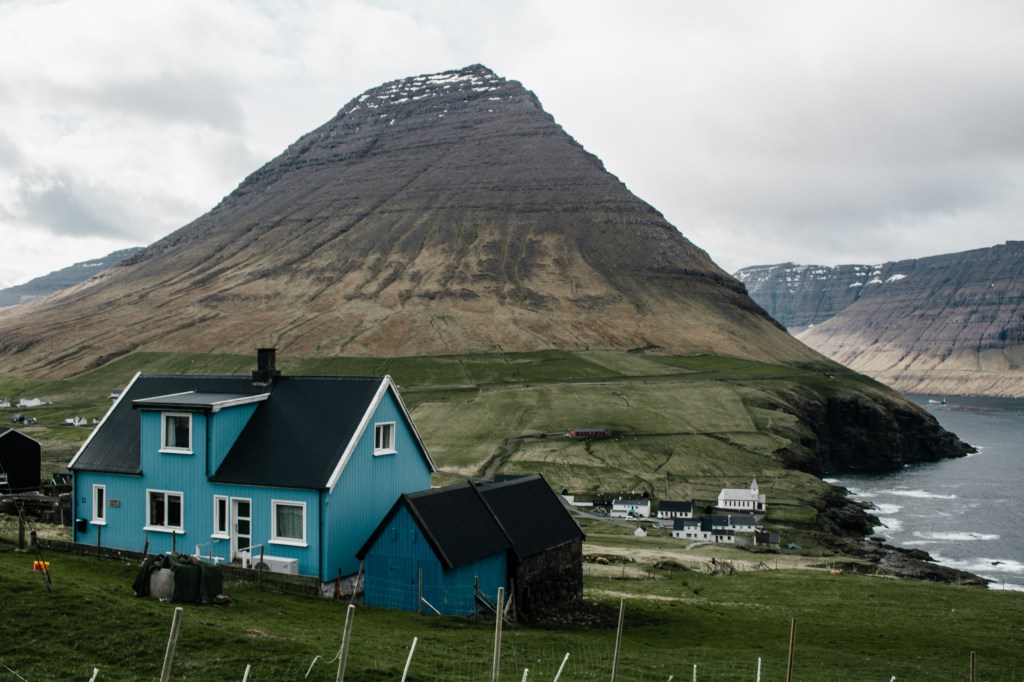
Viðoy’s remote location and dramatic landscapes make it a unique destination for adventurers seeking to experience the raw beauty of the Faroe Islands. Whether you’re exploring the charming village of Viðareiði or conquering the heights of Enniberg, Viðoy promises an unforgettable journey.
How to get there?
Reaching the Faroe Islands is an adventure in itself, with options to travel by air or sea, each offering unique experiences and stunning views.
The most convenient way to reach the Faroe Islands is by air, with the national airline, Atlantic Airways, offering flights primarily from Copenhagen to Vágar Airport. This route is the most popular and connects the islands to major European hubs. Other airlines, such as SAS and IcelandAir, also provide flights, giving you flexibility in planning your journey. To get the best prices, I always use the Skyscanner website to compare flights. And if you are not flying from a major hub, consider using the Flightfrom.com website to see the routes options to reach the islands.

For those who prefer a more leisurely journey, ferries are available from Iceland and Denmark. The ferry service, operated by Smyril Line, offers regular departures and provides a scenic voyage across the North Atlantic. This option is perfect for travelers who wish to bring their own vehicle or simply enjoy the journey by sea.
Regardless of your chosen method of travel, it’s important to be aware of the unpredictable weather in the Faroe Islands. Flights and ferries can be affected by weather conditions, so it’s wise to build some flexibility into your travel plans. Airlines and ferry operators typically provide assistance if your travel is disrupted due to weather, ensuring you reach your destination safely.
In my case, I flew from Lyon in France, stopping in Paris then Copenhagen. The trip was a bit long but since then, a direct route from Paris is open and can make your trip shorter. To come back, the trip was the same, but, due to weather, the flight from Vagar to Copenhagen was cancelled twice and left on Sunday night instead of Saturday morning. In that case, the airline takes care of everything and pays for your city transfer and accommodation.
Where to stay?
Deciding where to stay in the Faroe Islands largely depends on your travel preferences and itinerary. Many visitors choose to base themselves in Tórshavn, the capital city, which offers a range of accommodations from hotels to shared apartments. Staying in Tórshavn provides the convenience of exploring the islands by car while experiencing the local culture and cuisine. This option is ideal for those who prefer having a central location from which to venture out on day trips. This is the option I had chosen for this trip. I stayed at the …
Alternatively, you might opt to stay in multiple locations across the islands, allowing you to experience different landscapes and villages each night. This approach is perfect for travelers who enjoy driving and wish to immerse themselves in the diverse environments the Faroe Islands have to offer. Accommodation options include hotels and guesthouses in major towns like Tórshavn and Klaksvík, as well as Airbnb and shared apartments for a more local experience. For adventurous travelers, camping and hostels provide budget-friendly alternatives.
When booking your accommodations, it’s wise to plan ahead, especially during peak travel seasons when availability can be limited. Consider the amenities you need, such as a kitchen if you plan to cook your own meals, and choose a location that aligns with your travel plans, whether it’s near hiking trails or cultural attractions. The Faroe Islands offer a variety of accommodations to suit every travel style, ensuring a comfortable and memorable stay in this enchanting archipelago.
How to get around?
Navigating the Faroe Islands is an adventure that allows you to explore the archipelago’s stunning landscapes and charming villages. The most convenient way to get around is by renting a car, which provides the flexibility to explore at your own pace. Car rental agencies are available at the airport, and booking online in advance is recommended to secure the best rates and availability. Even if you arrive late at night, arrangements can be made to pick up your rental car upon arrival. While an off-road vehicle is not necessary, having a car allows you to easily travel between islands via the network of tunnels and ferries.
For those who prefer not to drive, public transportation options include buses and ferries, which connect the islands and provide access to more remote areas. Buses operate on most islands, offering a reliable way to travel between towns and villages. Ferry services are essential for reaching some of the more isolated islands and provide a scenic journey across the waters.
A unique and memorable way to travel between some of the islands is by helicopter, operated by Atlantic Airways. Helicopter rides offer breathtaking aerial views of the archipelago and are available for tourists, though they come at a higher cost compared to ferries. It’s important to note that helicopter tickets for tourists are typically one-way, so you’ll need to plan your return journey using alternative transportation.
Conclusion
The Faroe Islands offer a unique blend of natural beauty, cultural richness, and adventure, making them a destination unlike any other. From the dramatic cliffs and serene villages to the vibrant culture of Tórshavn, each island in the archipelago has its own charm and allure. Whether you’re exploring the rugged landscapes of Mykines, the scenic drives of Streymoy, or the remote beauty of Viðoy, the Faroe Islands promise an unforgettable journey filled with wonder and discovery. The Faroe Islands are more than just a destination; they are an adventure waiting to be explored, a story waiting to be told, and a memory waiting to be made. So pack your bags, charge your camera, and get ready to immerse yourself in one of the most awe-inspiring destinations on the planet. The Faroe Islands await, and they are ready to share their magic with you.
 BENVOYAGE